Early finding
Discounts
How should I discount?
Nine in ten price reductions we track are one fixed rand amount, the same for every buyer. That makes it a different incentive for each of them.
Altavera Research
Altavera Research follows new developments as they sell, apartment by apartment: what the market takes, how fast, in what order and at what price. Developers get evidence where they used to have comparables and instinct.

Altavera Research is led by Dr Anouar El Haji, known as the Pricing Doctor. He is a behavioural economist and visiting scholar at the Amsterdam Business School of the University of Amsterdam, where he also earned his PhD, and a visiting fellow at MBSC in Saudi Arabia. His work centres on one question: how people decide what something is worth, and what that means for how prices should be set. Altavera Research is built on that scientific grounding: careful measurement, published methods, and findings that hold up to scrutiny.
Amsterdam Business School, where he also earned his PhD in behavioural economics.
Prince Mohammed Bin Salman College of Business and Entrepreneurship, Saudi Arabia.
Willingness-to-pay research for global consumer brands.
Pricing for software and services companies.
Publicly listed new developments, monitored continuously.
Every published method is reviewed and signed by the Research Director.
Most market data comes from deeds-office transfers. They arrive a year or more after the decision and miss off-plan sales almost entirely.
We watch the sale itself. When two apartments are priced as equals and the market takes one months before the other, the market has told you something. We measure that difference and explain what it means.
What buyers choose, not what they say they would choose.
Movement week by week, not transfers a year after the fact.
Which apartments go first, which wait, and what changed in between.
Nine in ten price reductions we track are one fixed rand amount, the same for every buyer. That makes it a different incentive for each of them.
Developments of the same age range from a quarter sold to over four-fifths. Time on the market explains little. Decisions explain more.
Most developments add 1.5 to 3% for each floor up. Buyers do not always follow. We are testing why.
Not at the top. In the developments we follow, the upper-middle of the price ladder moves slowest.
Every finding is labelled by how settled it is. Subscribers hear first when an early finding becomes established, and which questions we take on next.
Make every commercial decision in property development an evidence decision.
Written down and signed by our Research Director. Anyone can check the work.
No figure is published without a source and a date.
Each finding is labelled early, testing or established.
Public findings are about the market. Project detail goes only to that developer.
A finding is worth investigating, not a judgement on anyone's decisions.
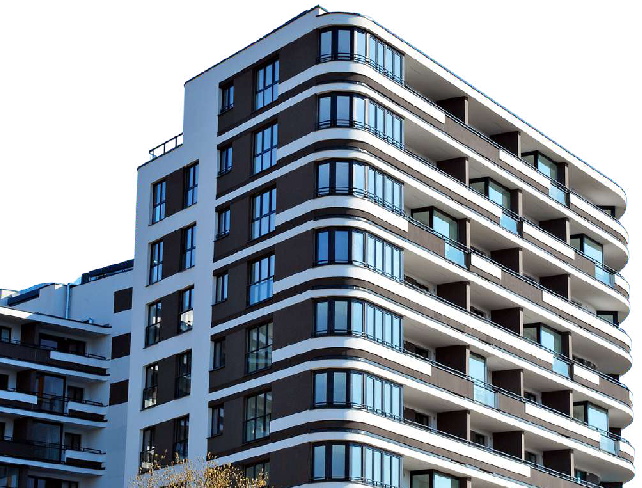
Pre-launch opportunities shaped by actual buyer demand.
Altavera’s SIGMA framework connects the three commercial questions behind every successful development: what to build, how to price it, and how to sell it.
Rather than treating product, pricing, marketing and sales as separate activities, SIGMA connects them into one integrated commercial system — allowing developers to structure projects around real buyer behaviour, affordability data and live market feedback.
Tell us which questions matter to you. We research the most requested first and email you when we publish on the ones you picked.
We use your email only to send the findings you asked for. Unsubscribe any time.
Thank you. We'll email you when we publish on the questions you picked.
Based on continuous monitoring of nearly 40 publicly listed new developments, most of them in the Western Cape, since July 2026. Figures as at 20 October 2026. "Taken" means reserved or sold. Methods note to be published.